
Understanding the psychological triggers that influence gambling behaviors
The Nature of Gambling and Its Appeal
Gambling has captivated people for centuries, creating an irresistible allure that draws individuals into its realm. The thrill of risk-taking, the potential for significant rewards, and the sensory overload of lights and sounds in casinos contribute to this magnetic attraction. This combination can trigger excitement and anticipation, appealing to the human instinct for adventure and the desire to escape daily routines. Many find solace in gambling, as it offers an avenue for temporary relief from stress and anxiety. For those interested in exploring online options, https://pinko.global/ presents a great opportunity.

Research indicates that the psychological impact of gambling is closely tied to dopamine release in the brain. Dopamine is a neurotransmitter that plays a crucial role in the brain’s reward system, making gambling an exhilarating experience. The rush experienced when winning, even if it’s a small amount, reinforces the behavior, leading individuals to chase that high repeatedly. The excitement of a near win can further enhance this effect, creating a cycle of continuous engagement with gambling activities.
Furthermore, the social aspects of gambling cannot be overlooked. Many people enjoy the communal experience of playing games with friends or strangers, enhancing their emotional connection to the activity. Casinos and online platforms often foster a sense of belonging and community, drawing individuals back in. This interplay between social interaction and the innate thrill of gambling forms a complex web of psychological triggers that keep players engaged.
The Role of Cognitive Biases
Cognitive biases significantly influence gambling behaviors, leading individuals to make irrational decisions. One common bias is the illusion of control, where players believe they can influence the outcome of games, particularly in games of chance like slots and roulette. This belief can cause players to take excessive risks, as they overestimate their ability to predict or manipulate results. Such cognitive distortions can be particularly dangerous, as they reinforce gambling as a viable way to achieve financial gains.
The gambler’s fallacy is another prevalent cognitive bias affecting players. This phenomenon occurs when individuals believe that past outcomes will influence future results. For example, a player may assume that if a slot machine hasn’t paid out recently, it’s “due” for a win. This mistaken belief often leads players to continue gambling in hopes of a big win, despite the underlying odds remaining unchanged. Understanding these biases is essential for both players and casinos to foster a more responsible gaming environment.
Additionally, the framing effect can manipulate how gambling options are presented to individuals. The way choices are framed, such as highlighting potential winnings rather than losses, can significantly impact decision-making. When players focus more on the excitement of winning rather than the likelihood of losing, they may be more inclined to gamble impulsively. Recognizing these cognitive biases is vital for responsible gaming and helps in developing strategies to mitigate their effects on gambling behavior.
The Emotional Triggers in Gambling
Emotions play a crucial role in influencing gambling behavior, often dictating when and how much individuals choose to gamble. Positive emotions, such as excitement and happiness, can lead to increased gambling activity. When players experience joy or thrill, they are likely to engage in gambling to prolong these feelings. Conversely, negative emotions like stress, loneliness, or boredom can also drive individuals to gamble as a coping mechanism, providing an escape from emotional distress.
This emotional rollercoaster can create a dependency on gambling as a source of emotional regulation. For instance, individuals may seek out gambling during periods of stress, believing that it offers relief or distraction. Unfortunately, this can lead to a harmful cycle where negative emotions lead to increased gambling, which, in turn, can result in more stress and guilt. Understanding these emotional triggers is critical for both players and support systems aiming to promote responsible gambling practices.
Moreover, the design of gambling environments often enhances emotional responses. Casinos employ various strategies, such as ambient music and visually stimulating designs, to create a mood that encourages prolonged play. These elements heighten the sensory experience, making it easier for players to lose track of time and money. The role of emotions in gambling emphasizes the need for greater awareness and education to help individuals recognize their emotional triggers and develop healthier gambling habits.
The Impact of Marketing and Promotions
Marketing strategies and promotional offers play a significant role in shaping gambling behaviors. Casinos and online platforms often employ enticing advertisements, showcasing lavish lifestyles and large winnings to attract players. These marketing tactics can create unrealistic expectations about the potential for financial gain, leading individuals to believe that gambling can be a viable source of income. Such perceptions can encourage excessive gambling, as individuals chase the unattainable lifestyle portrayed in advertisements.
Moreover, promotional offers, such as bonuses and free spins, can also influence gambling behaviors. While these incentives may initially appear harmless, they can lead to increased gambling activity as players strive to maximize their benefits. The psychology behind these promotions is rooted in the principle of scarcity and urgency, prompting individuals to act quickly for fear of missing out. This can result in impulsive decisions and a lack of strategic thinking when it comes to gambling.
The integration of technology in marketing has further amplified these effects. Online casinos utilize data analytics to target potential players with personalized offers, enhancing their gaming experience. This tailored approach can create a sense of connection and loyalty, making it challenging for players to recognize when their gambling habits may be becoming unhealthy. Understanding the impact of marketing on gambling behaviors is essential for promoting responsible gambling and fostering awareness of potential risks.
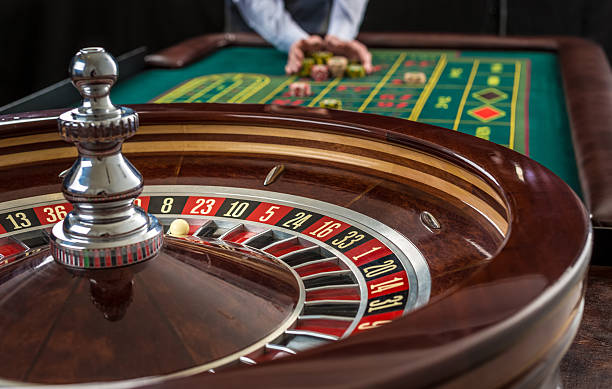
Experience Gaming at Pinko Casino
At Pinko Casino, players can immerse themselves in an exciting gaming experience that caters to a diverse range of preferences. With over 4,000 games, including slots, table games, and live dealer options, Pinko Casino offers something for everyone. This extensive variety allows players to explore different gaming styles and find what suits them best. The thrill of engaging with new games can add to the excitement of the overall experience.
Moreover, Pinko Casino prioritizes player safety and responsible gaming. The site promotes a secure environment with robust payment options and 24/7 customer support. Additionally, its commitment to responsible gambling ensures that players have access to resources that can help them manage their gaming habits effectively. With enticing welcome bonuses and a loyalty program that rewards regular players, Pinko Casino aims to enhance the gaming journey while maintaining a focus on player well-being.
In summary, understanding the psychological triggers that influence gambling behaviors is vital for creating a responsible gaming culture. At Pinko Casino, players can enjoy a thrilling gaming experience while also being mindful of their gaming habits. Engaging with the site allows individuals to experience the excitement of gambling in a safe and supportive environment, paving the way for enjoyable and responsible gaming adventures.

No comment yet, add your voice below!